Generators

The main purpose of generator sets is to provide electrical energy, continuous or temporary (in cases of emergency), safely and effectively. The generator sets serve not only to supply energy to unsupported regions, but also to be activated in cases of emergency, avoiding various losses due to power outage.

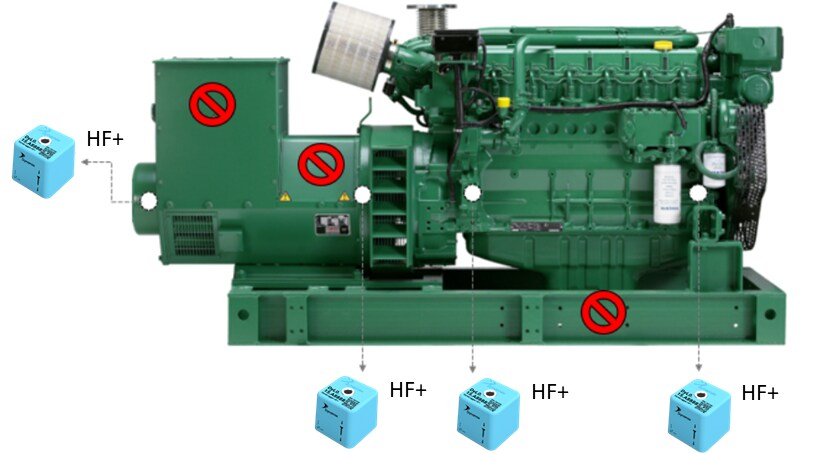
Small generators generally use common rotating elements, in which case the vibration behavior and fault diagnosis is similar to that of a large electric motor. The vibration data measurement requirements for diesel powered generators should normally be in accordance with ISO 10816 part 3.

Measurements must be made on each bearing housing and on the crankshaft bushings. Avoid mounting sensors on the protective covers or at the equipment base. The frequency range must be enough to cover from 2 Hz to at least 2x the frequency of the fanspeed, with a minimum range  up to 2 kHz, according to ISO 10816. Therefore, for the monitoring of diesel generators, it is recommended to use the DynaLogger HF+ model, due to its high spectral range that can reach up to 13 kHz for uniaxial and triaxial measurements.


Electric Motors

How to monitor electric motors with the DynaPredict Solution:

Electric motors are responsible for the operation of the majority of industrial equipment to generate movement. Failures in this component may cause a halt in production as well as accidents.

Monitoring operational conditions is an important activity in the search for reliability of these assets.

Dynamox’s sensors allow for the online monitoring of parameters such as vibration and temperature which allow for the identification of potential defects and planned interventions, thereby reducing production downtime and increasing the efficiency of the production process as a whole.

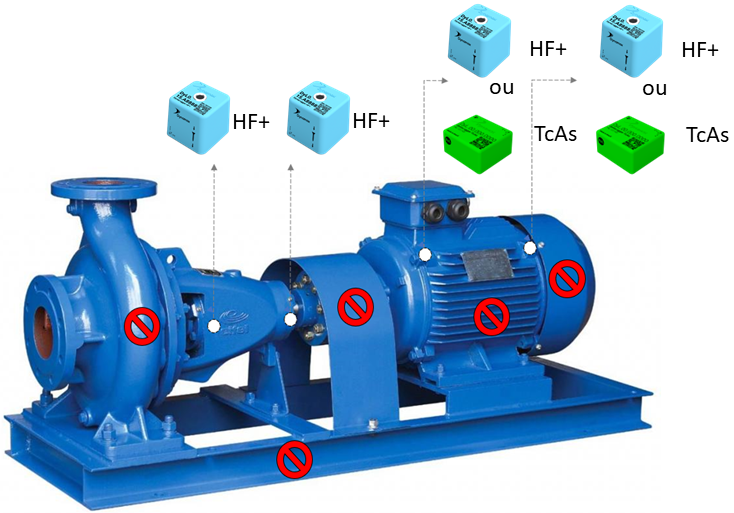
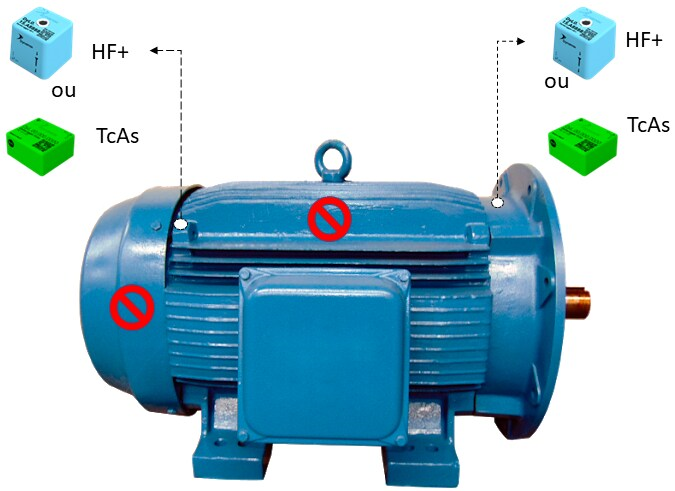
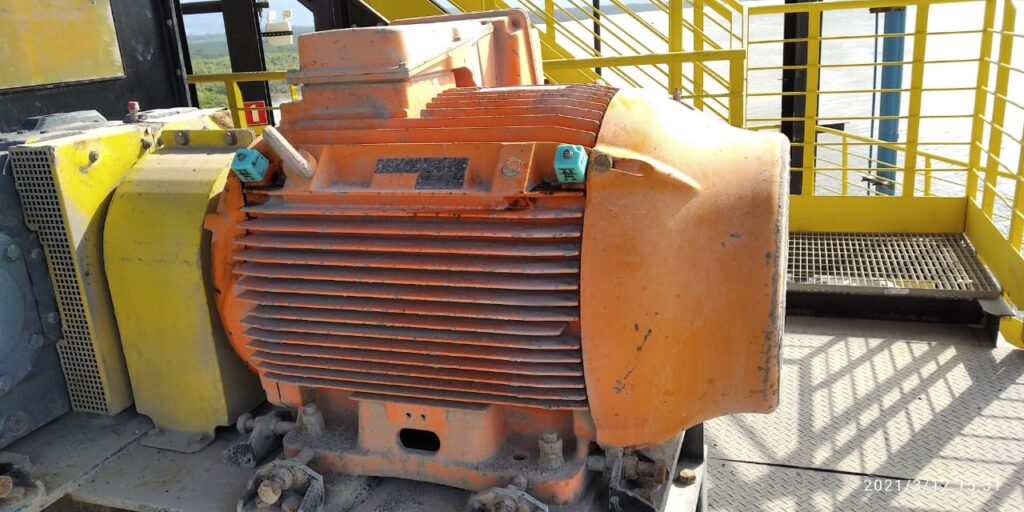
Regarding the position of sensors at an electric motor, it is recommended the monitoring be done either from the drive end (DE) or non-drive end (NDE) as shown in the image below.

OBS: the NDE spot may offer certain challenges to the sensor mounting, because of the protective cover. If necessary, consider drilling a hole or cutting a notch in the cover to allow access to a rigid mounting location. Never install sensors on the motor terminal or cooling fins, which are parts that emit high levels of vibration and make fault analysis difficult.

Regarding this equipment, two types of sensors can be used:

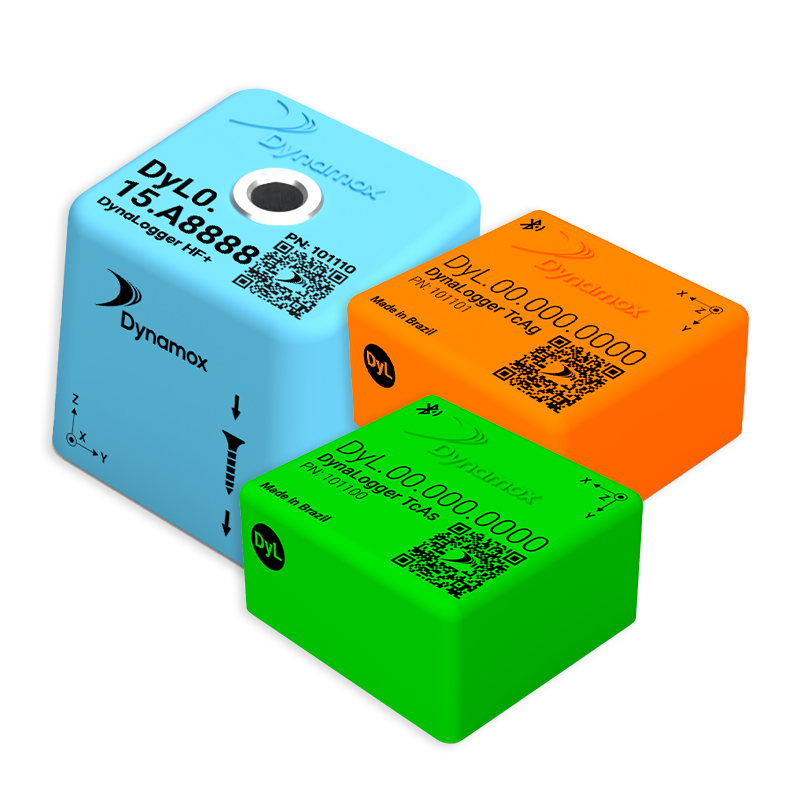
  •  DynaLogger HF+. A sensor with a maximum frequency of 1300 Hz. This sensor is recommended for motors coupled to equipment of most importance. Due to its high frequency range, it is possible to identify early stage bearing or lubrication defects, as well as faults in the rotation frequency of the machine, such as with the TcAs.
  • DynaLogger TcAs . A Sensor with a maximum frequency around 2500Hz, which is recommended for low to medium criticality machines that do not present a history of bearing or lubrication related failures, since these defects may usually appear at higher frequencies. These sensors allow for the detection of faults in the rotational frequency of the machine, such as unbalance, misalignment, looseness and others. Besides,  this sensor can be useful to detect bearing defects in the later stage.


For the DynaLogger mounting, there are two main alternatives: studor adhesive mounting. See more details here under item 4.

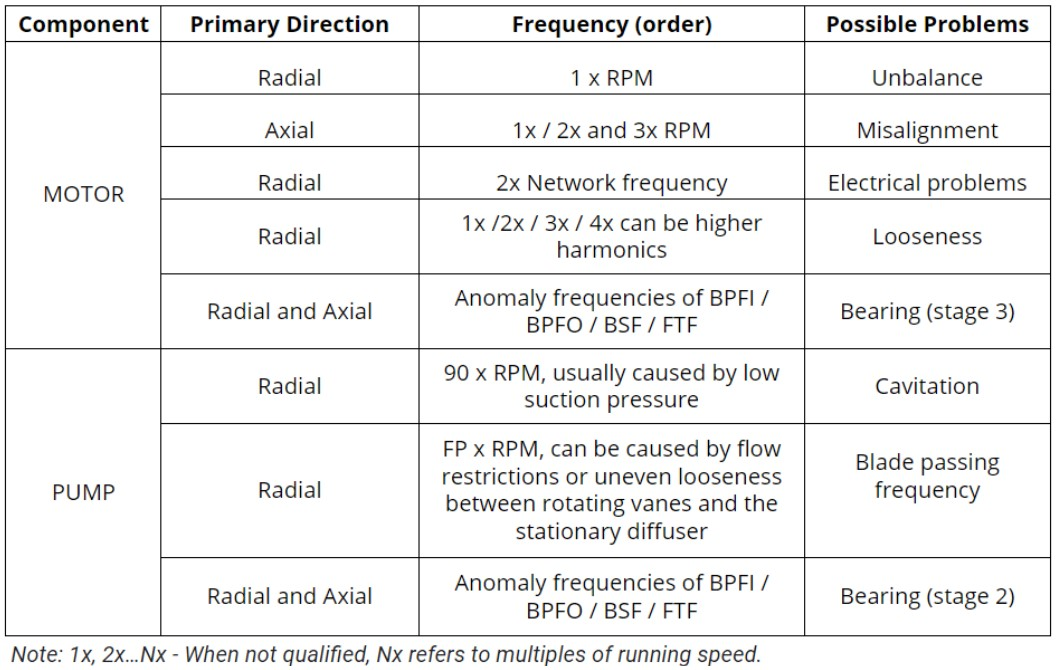
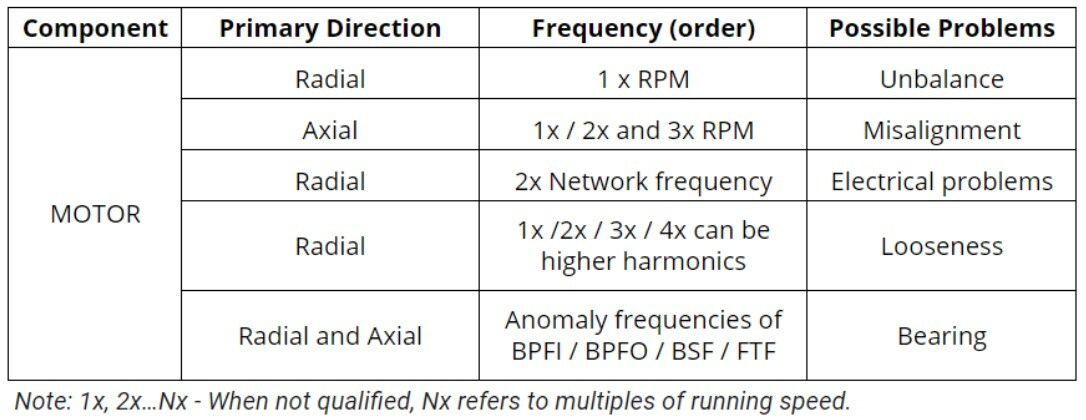
Regarding defects,  the following root causes related to the machine problems, in terms of the axis and its characteristic frequencies, are indicated below:

 
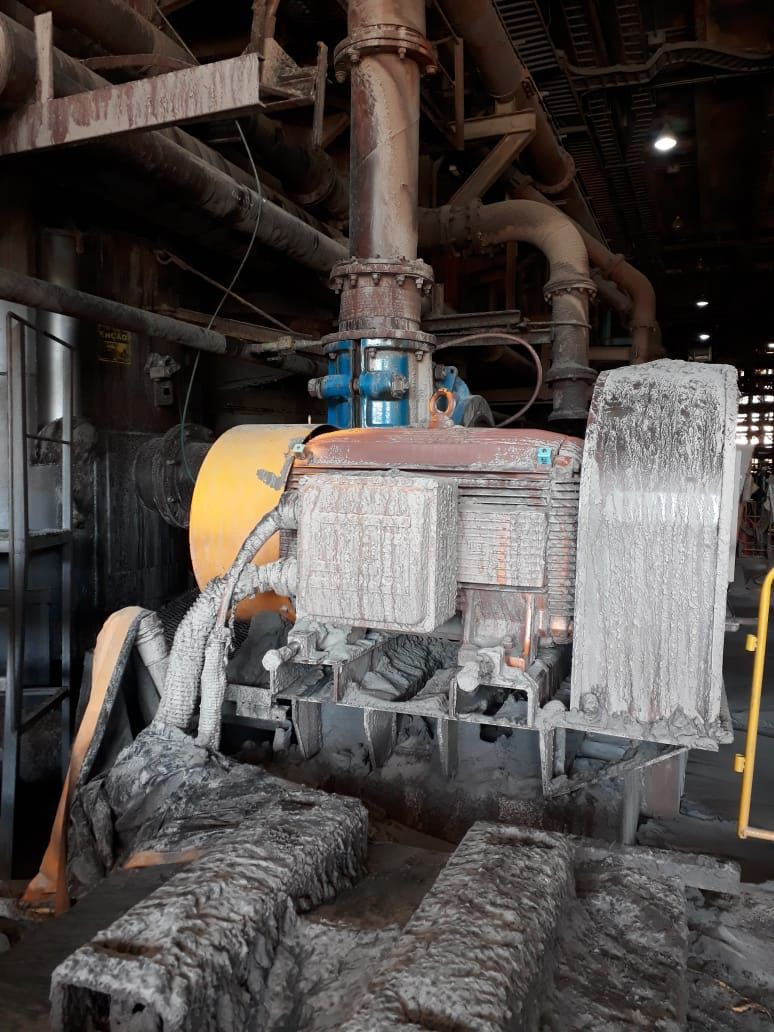
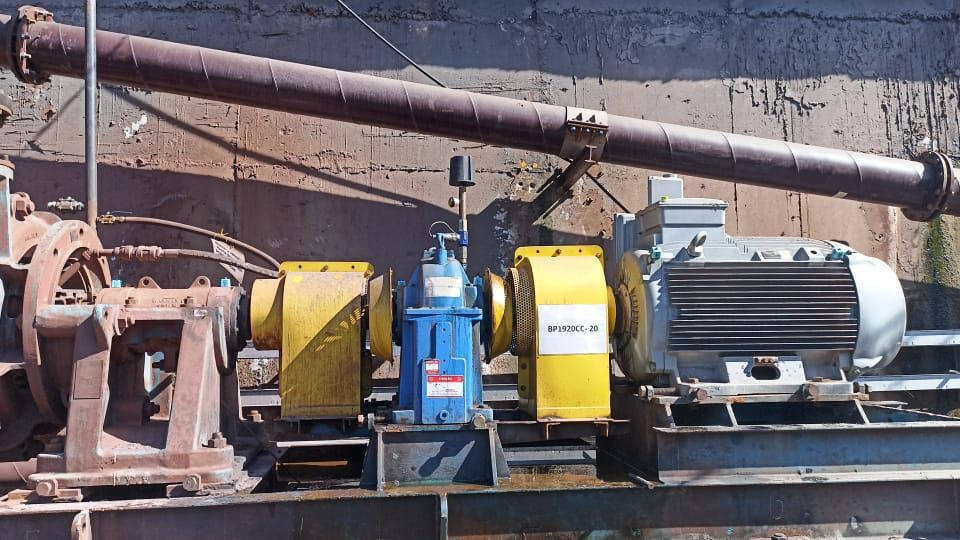
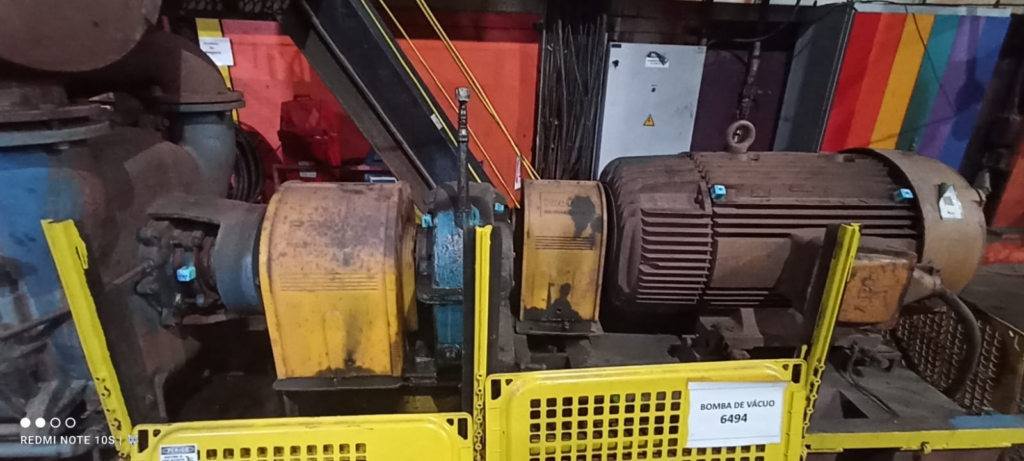
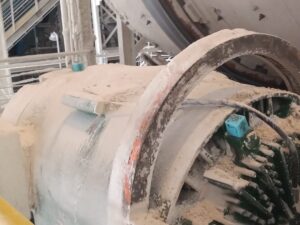
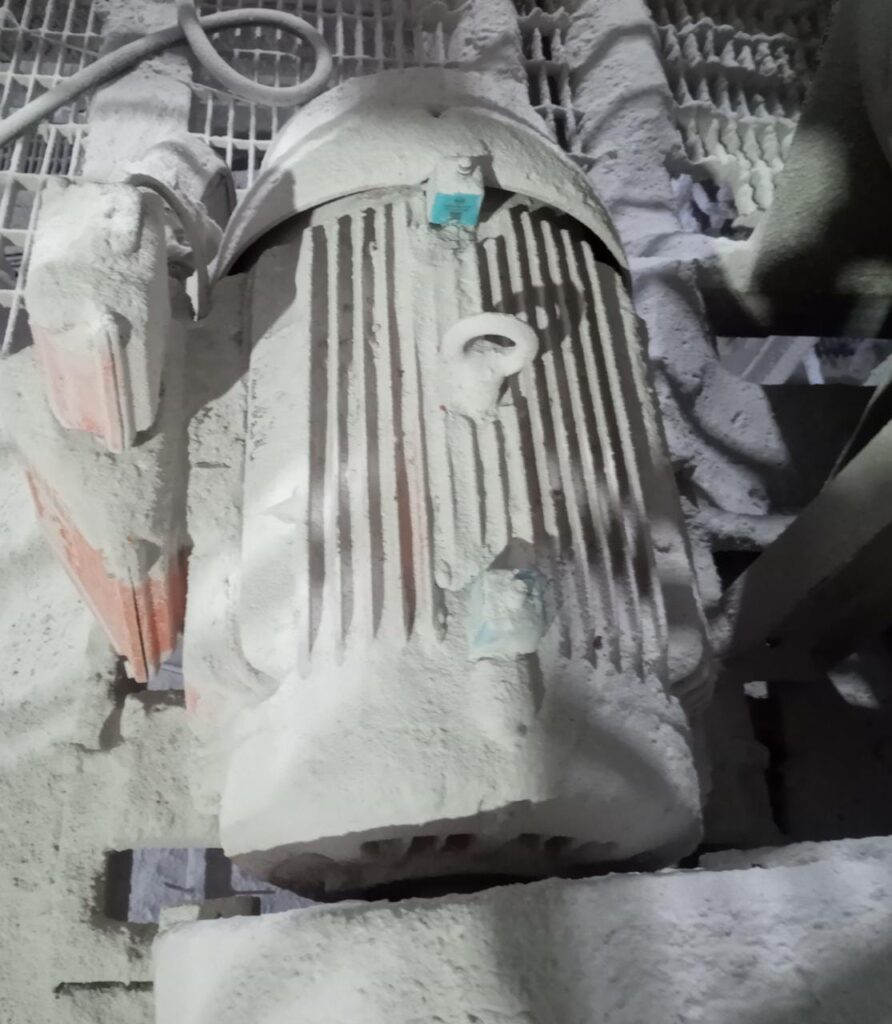
Images of sensor installations:

A Good Practice Guide to Placing Sensors in Machines

The following sections will present best practices in the positioning of Dynamox vibration and temperature sensors for typical industrial machinery, such as motors, pumps, compressors, exhaust fans, etc.

The objective of the guide is to assist the user in choosing a suitable location for installation of the sensors, helping to obtain reliable and quality data that allows an effective predictive analysis.

The guide will also indicate which sensor best applies to each machine, focusing on the following models:

DynaLogger HF + : Triaxial temperature and vibration monitoring with a maximum frequency of 13000 Hz, performing telemetry and spectral analysis
DynaLogger TcAs : Triaxial vibration and temperature monitoring with frequency up to 2500 Hz, performing telemetry and spectral analysis
DynaLogger TcAg : Triaxial vibration and temperature monitoring with a maximum frequency of 2500 Hz. 

NOTE: The information contained in these sections are only recommendations and should not be taken as positioning rules.